
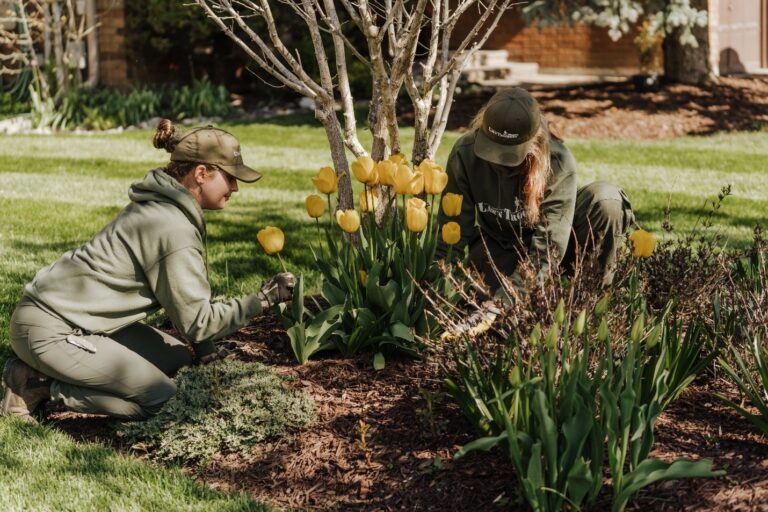
Garden bed planting starts when soil crumbles, not smears. Learn when beds are workable and what you can do early in spring.
Garden bed planting should wait until the soil is workable: it crumbles in your hand, isn’t sticky, and doesn’t leave a shiny smear when you squeeze it. In Southern Ontario, you can often do early prep as soon as beds are thawed and drained—like cleaning debris, adding compost, and planting cold-hardy seeds or seedlings—while saving heat-loving plants for after frost-free.
What “Soil Workable” Actually Means
“Workable” soil is soil you can dig, loosen, and shape without wrecking its structure. If you jump in too early, you can compact it, create clods that won’t break down, and end up with a bed that drains poorly all season.
For garden bed planting, workable soil usually means:
- It’s thawed and no longer frozen just under the surface
- It feels damp, not wet
- It doesn’t stick to tools in heavy globs
- It breaks apart easily instead of smearing
If you’re leaving deep footprints or pulling up mud, it’s not time.
The Simple Soil Squeeze Test
This is the fastest way to tell if your bed is ready.
- Grab a handful of soil from 2–4 inches down.
- Squeeze it into a ball.
- Open your hand and poke it.
Results:
- If it stays as a sticky ball and smears: too wet. Wait.
- If it crumbles and breaks apart: workable. You can start.
- If it’s powdery and won’t hold shape: it’s dry (rare in early spring), but still workable—just plan to water.
The timing shifts year to year, but the pattern is consistent:
This test is gold for garden bed planting because it tells you what the soil is doing, not what the calendar claims.
When Soil Typically Becomes Workable in Southern Ontario
- Beds on slopes or sunny exposures dry out first.
- Heavy clay takes longer than loam or sandy soil.
- Raised beds are almost always earlier than in-ground beds.
A practical rule: once daytime temperatures stay above freezing more often than not and your bed stops looking glossy-wet after rain, you’re getting close.
What You Can Do Early Without Damaging the Bed
Even if the soil is not fully ready for digging, there’s still a lot you can do that supports garden bed planting later.
Remove Winter Debris Carefully
Start by lifting off:
- Fallen branches
- Leftover annual stems
- Matted leaves from the surface
Try not to rake aggressively if the soil is soft. Gentle hand cleanup is safer early on.
Edge Beds and Define Shape
If the ground is firm enough to walk beside the bed without sinking, you can redefine edges. This helps later when you’re adding compost or mulch, and it makes everything look instantly tidier.
Top-Dress With Compost
One of the best early moves for garden bed planting is adding compost on top, even before you dig. Spread a thin layer and let spring moisture work it in.
If the soil is still wet, don’t turn it under yet—just top-dress and wait.
Pull Early Weeds While They’re Small
Early spring weeds are easier to remove when they’re tiny. If you can pull them without disturbing big clumps of wet soil, do it. This saves you a lot of work later.
Plan Layout and Supports
If your soil isn’t ready, do the non-soil stuff:
- Place cages, trellises, or stakes
- Map rows and spacing
- Set up paths or stepping stones
This is sneaky useful because when soil finally becomes workable, you can start planting right away.
What You Can Plant Early in Garden Beds
Once your soil passes the squeeze test, you can begin garden bed planting with cold-tolerant options. These are plants that don’t mind chilly nights and actually prefer cooler weather.
Early Seeds That Handle Cool Soil
Depending on the microclimate of your yard, early sowing can include things like:
- peas
- spinach
- lettuce
- radish
- carrots
- beets
If a surprise cold snap hits, these generally cope better than warm-season crops.
Early Transplants That Don’t Need Heat
Some seedlings can go in early if the soil is workable and you can protect them if needed (like with a simple cover or cloche):
- hardy greens
- onions
- brassicas like kale (timing depends on how established they are)
If your yard is windy or the bed is exposed, wait a bit longer.
What To Avoid Early
Early enthusiasm is how beds get wrecked.
Don’t Dig Wet Soil
This is the biggest mistake with garden bed planting. Digging wet soil compresses it into dense chunks that won’t loosen properly. You’ll fight it all summer.
Don’t Add Sand to “Fix” Clay
It seems logical, but mixing sand into clay can make a cement-like texture unless it’s done in the right proportions and with organic matter. Compost is the safer early improvement.
Don’t Plant Heat-Loving Crops Yet
Warm-season plants hate cold soil and cold nights. Save these for after frost-free and after the bed has warmed:
- Tomatoes
- Peppers
- Cucumbers
- Beans
- Basil
- Zucchini
Planting them early doesn’t give you a head start—it usually just stalls them.
Signs Your Bed Is Ready for Real Planting
You’re in a good window for garden bed planting when:
- The soil crumbles in your hand
- You can dig without pulling up sticky slabs
- Earthworms are active
- You see steady (not explosive) growth in nearby lawns and perennials
- The bed dries out within a day or two after rain
If all of that is true, you can move from “prep mode” to planting.
FAQ
When Is Soil Workable for Garden Bed Planting?
Soil is workable for garden bed planting when it crumbles instead of smearing, doesn’t feel sticky, and you can dig without pulling up wet clods.
Can I Add Compost Before the Soil Is Fully Dry?
Yes. For garden bed planting, you can top-dress compost early, even if the bed is still a bit wet—just avoid mixing or digging it in until the soil is workable.
What Can I Plant Early in Southern Ontario Garden Beds?
Once soil is workable, garden bed planting can start with cold-hardy crops like peas, spinach, lettuce, radish, carrots, and beets, while warm-season plants should wait until after frost-free.
Need Help Getting Beds Ready for Planting?
If your garden beds are full of winter debris, old stems, and salt-stained edges—and you want them prepped properly without compacting the soil—Lawn Troopers can help with spring garden cleanup and early bed preparation across Southern Ontario. The right early steps make garden bed planting easier and your plants healthier all season.
If you want your yard looking clean, sharp, and ready for gardening season, Lawn Troopers can help with professional spring cleanup services across Southern Ontario, including debris removal, edging, and seasonal yard prep.
Contact us for a free online estimate.